
Land Strategy
Reading land before the master plan
18 February 2020 · 6 min read
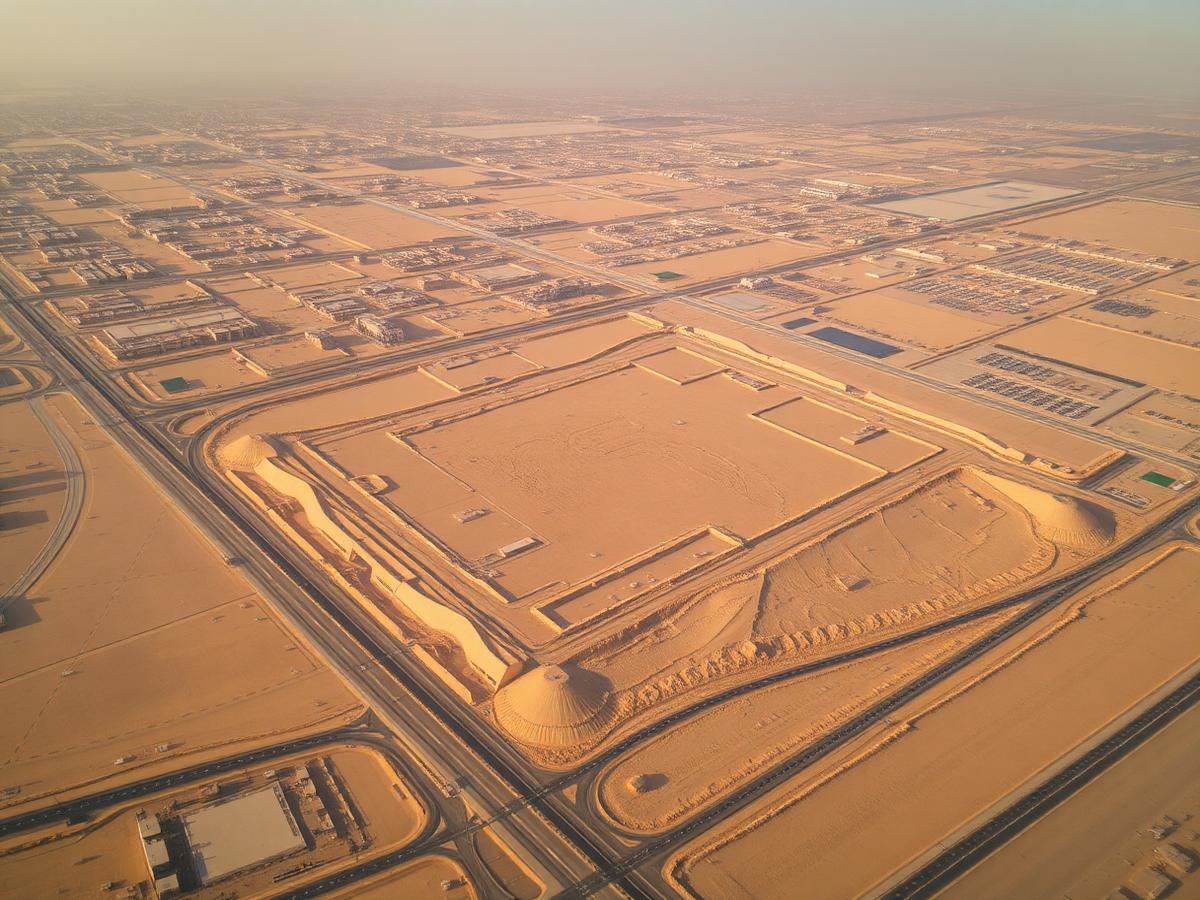
A site tells you what it can carry long before a designer draws a line on it. Learning to listen is the first discipline of development.
Most development mistakes in Egypt are made in the first ninety days, not on site. A parcel is bought against an assumption — of demand, of road access, of a utility connection that is described as imminent — and every later decision inherits that assumption without ever testing it.
We start with four readings: physical access today, committed infrastructure with a funded date, the direction of surrounding growth over the past five years, and the realistic absorption of the uses the land could carry. None of these require a designer. All of them constrain the design.
Access is the least glamorous and the most decisive. A parcel twelve minutes from an interchange behaves like a different asset from one that is twenty-eight minutes away on the same axis, regardless of how the two look on a regional map.
Only when those four readings agree do we allow a brief to be written. If they disagree, the honest answer is usually a smaller first phase — or a different site.