
Urban Growth
The second ring of value around every new corridor
19 September 2022 · 7 min read
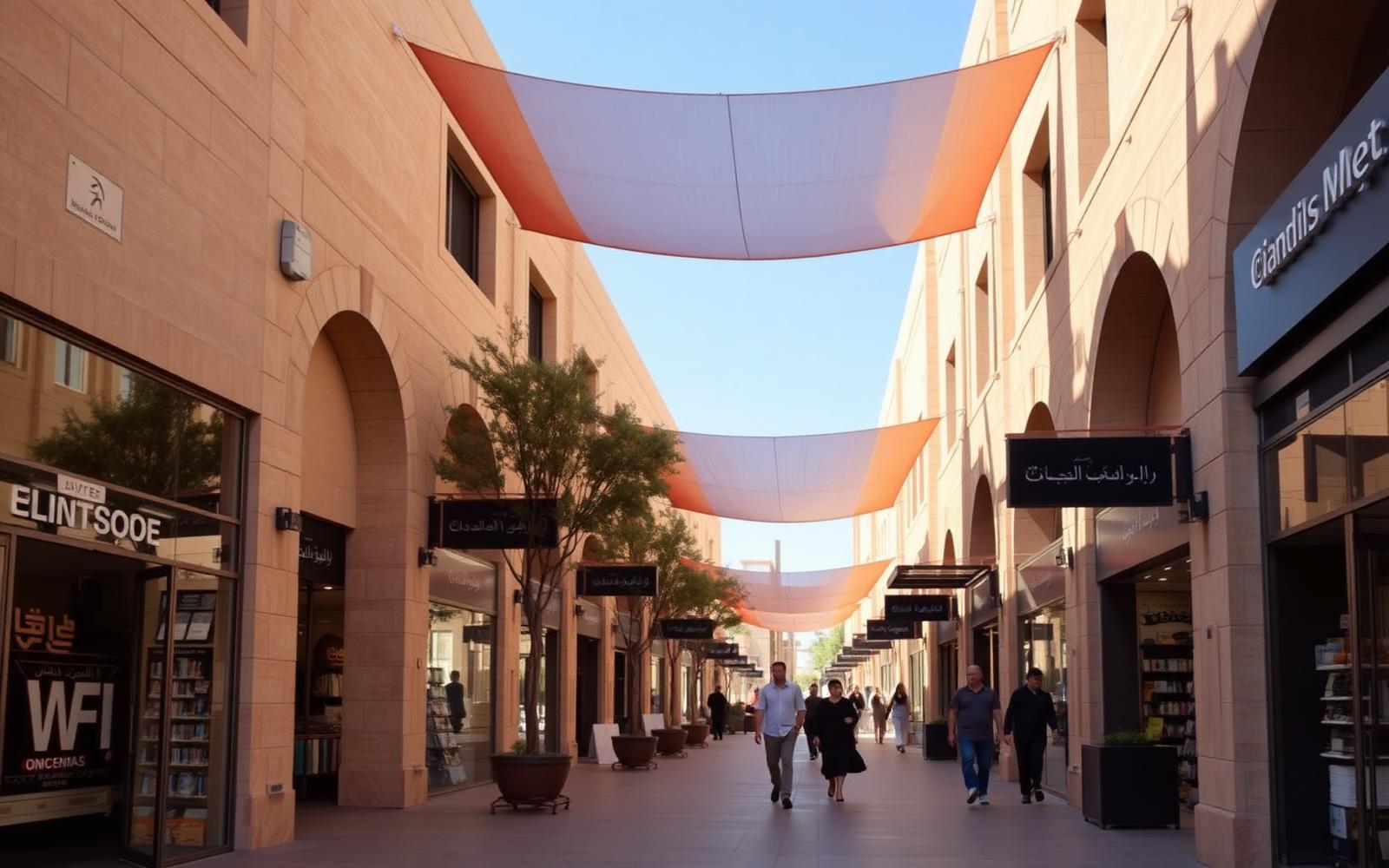
Frontage captures attention. The blocks behind it capture the daily economy — and hold value through the cycle.
When a new axis opens, land directly on it reprices immediately and often overshoots. The quieter opportunity is the second ring: parcels one or two blocks back, with access but without the noise, the setback requirements, or the premium.
These are the parcels that support the uses a corridor actually needs — schools, clinics, neighbourhood retail, small offices — and those uses are far less cyclical than highway-facing showrooms.
The pattern has repeated around East Cairo, the Alexandria desert road spine, and each ring road extension. Frontage leads the price; the second ring leads the occupancy.
For developers with patience rather than scale, this is usually where a modest site can outperform a large one.